



How can batteries EPS packaging flexibly adapt to different battery forms?
Release Time : 2025-11-26
With the rapid development of the new energy industry, various electrochemical energy storage devices such as lithium batteries and sodium batteries are widely used in electric vehicles, consumer electronics, and energy storage systems. However, these high-energy-density batteries place extremely high demands on physical protection during transportation and storage. Batteries EPS packaging, with its excellent cushioning performance and high customizability, has become an ideal choice in the battery packaging field.
1. Excellent Impact and Compression Resistance
EPS material has a closed-cell foam structure, which can effectively absorb and disperse energy through controlled deformation when subjected to external impact. This characteristic makes it play a crucial protective role during battery transportation. For example, during handling, stacking, or long-distance transportation, batteries may encounter drops, collisions, or compression. Without effective cushioning, the outer casing can easily break or even the internal cells can be damaged, leading to safety risks such as thermal runaway. By precisely designing the thickness and density of the cushioning layer, EPS packaging can significantly improve the protection of batteries without increasing the overall weight. Especially for lithium-ion batteries, which are structurally fragile and sensitive to mechanical stress, the flexible support provided by EPS can effectively maintain their structural integrity and reduce transportation losses.
2. Highly Customizable Structural Adaptability
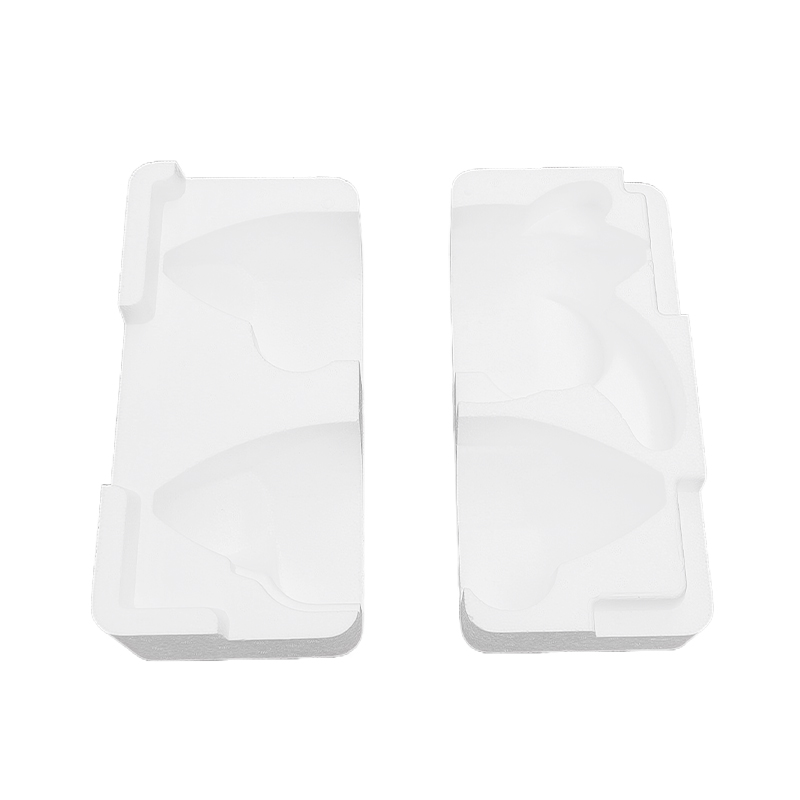
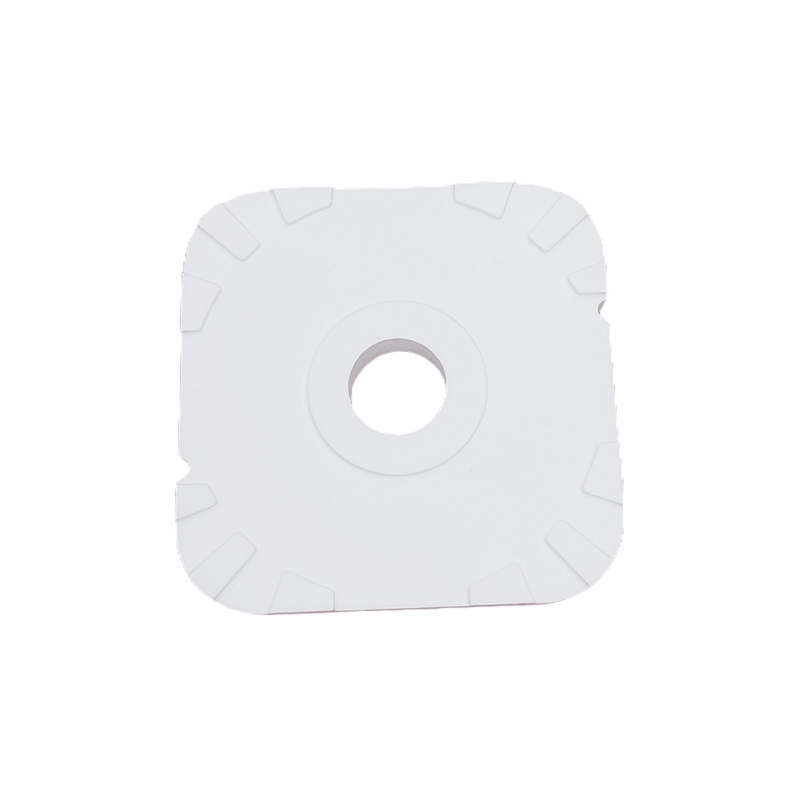
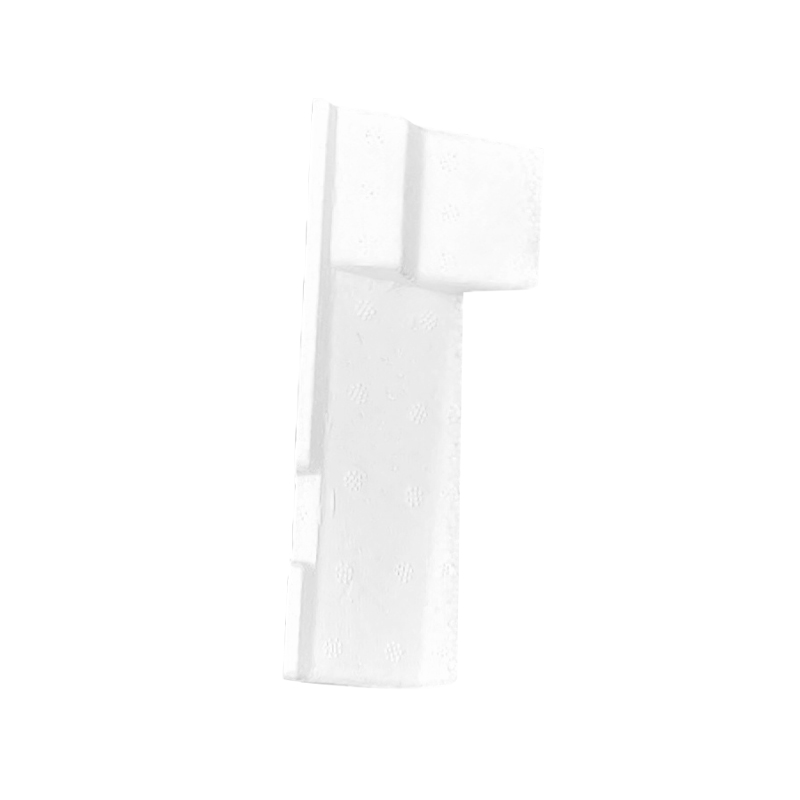
Battery shapes vary greatly depending on the application scenario—from standard cylindrical and square aluminum-cased batteries to pouch cells and custom-shaped batteries. A major advantage of EPS is its ability to precisely replicate the battery's shape through molding technology, achieving "tailor-made" solutions. Manufacturers can design dedicated grooves, clips, separators, or limiting structures within the EPS cavity based on the battery's specific dimensions, electrode positions, and heat dissipation requirements. This integrated molding solution not only securely fixes single or multiple batteries, preventing relative displacement and friction during transportation, but also provides physical isolation in multi-cell modules, preventing localized short circuits or cascading damage. Furthermore, for large energy storage battery packs, EPS can integrate reinforcing ribs, ventilation channels, and other functional structures, ensuring safety while also considering heat dissipation and ease of assembly.
In modern logistics systems, lightweight packaging and space utilization directly impact transportation costs and carbon emissions. Far lower than traditional wooden crates or metal frames, EPS adds almost no burden to the battery itself during transportation. Meanwhile, its tightly fitting design significantly reduces internal packaging gaps, allowing batteries to be arranged more compactly in pallets or containers, significantly increasing the loading capacity per unit volume. For battery companies requiring large-volume exports or cross-regional distribution, this efficient space utilization not only reduces warehousing and transportation costs but also aligns with the trend of green and low-carbon development. More importantly, EPS material itself is recyclable and reusable, and coupled with a closed-loop recycling system, its environmental friendliness is further enhanced.
In conclusion, with its superior cushioning performance, highly flexible structural customization capabilities, and lightweight, space-saving advantages, batteries EPS packaging has become an ideal solution for adapting to diverse battery forms.
1. Excellent Impact and Compression Resistance
EPS material has a closed-cell foam structure, which can effectively absorb and disperse energy through controlled deformation when subjected to external impact. This characteristic makes it play a crucial protective role during battery transportation. For example, during handling, stacking, or long-distance transportation, batteries may encounter drops, collisions, or compression. Without effective cushioning, the outer casing can easily break or even the internal cells can be damaged, leading to safety risks such as thermal runaway. By precisely designing the thickness and density of the cushioning layer, EPS packaging can significantly improve the protection of batteries without increasing the overall weight. Especially for lithium-ion batteries, which are structurally fragile and sensitive to mechanical stress, the flexible support provided by EPS can effectively maintain their structural integrity and reduce transportation losses.
2. Highly Customizable Structural Adaptability
Battery shapes vary greatly depending on the application scenario—from standard cylindrical and square aluminum-cased batteries to pouch cells and custom-shaped batteries. A major advantage of EPS is its ability to precisely replicate the battery's shape through molding technology, achieving "tailor-made" solutions. Manufacturers can design dedicated grooves, clips, separators, or limiting structures within the EPS cavity based on the battery's specific dimensions, electrode positions, and heat dissipation requirements. This integrated molding solution not only securely fixes single or multiple batteries, preventing relative displacement and friction during transportation, but also provides physical isolation in multi-cell modules, preventing localized short circuits or cascading damage. Furthermore, for large energy storage battery packs, EPS can integrate reinforcing ribs, ventilation channels, and other functional structures, ensuring safety while also considering heat dissipation and ease of assembly.
3. Lightweight and Space-Saving, Improving Logistics Efficiency
In modern logistics systems, lightweight packaging and space utilization directly impact transportation costs and carbon emissions. Far lower than traditional wooden crates or metal frames, EPS adds almost no burden to the battery itself during transportation. Meanwhile, its tightly fitting design significantly reduces internal packaging gaps, allowing batteries to be arranged more compactly in pallets or containers, significantly increasing the loading capacity per unit volume. For battery companies requiring large-volume exports or cross-regional distribution, this efficient space utilization not only reduces warehousing and transportation costs but also aligns with the trend of green and low-carbon development. More importantly, EPS material itself is recyclable and reusable, and coupled with a closed-loop recycling system, its environmental friendliness is further enhanced.
In conclusion, with its superior cushioning performance, highly flexible structural customization capabilities, and lightweight, space-saving advantages, batteries EPS packaging has become an ideal solution for adapting to diverse battery forms.