



How can the energy absorption capacity of batteries EPS packaging for batteries be further improved through structural optimization?
Release Time : 2026-04-14
During transportation, especially in high-impact environments, batteries are susceptible to damage from drops, collisions, and compression, which can harm both the outer casing and the internal cells. Batteries EPS packaging, due to its excellent cushioning performance, is widely used for battery protection. However, under high-intensity impact conditions, relying solely on the material's inherent properties is insufficient; structural optimization is necessary to further enhance its energy absorption and protection capabilities.
1. Layered Cushioning Structure Enhances Energy Dispersion
Traditional EPS packaging often uses a single-density structure, which can easily lead to localized stress concentration under high impact. By designing a layered cushioning structure, combining EPS materials of different densities, impact energy can be absorbed in stages. For example, a higher-strength material can be used for the outer layer to withstand the initial impact, while a lower-density material can be used for cushioning, helping to reduce the transmission of impact force to the battery itself.
2. Optimized Support Point Layout Reduces Localized Stress
The stress distribution of the battery within the packaging is closely related to the design of the support points. By rationally arranging the support structure, the battery can be evenly stressed at multiple locations, effectively preventing damage caused by excessive stress at a single point. Especially at sharp corners or impact-prone areas, additional cushioning supports or thickened structures should be added to improve overall protection.
3. Introduce Energy Absorption Structure Design
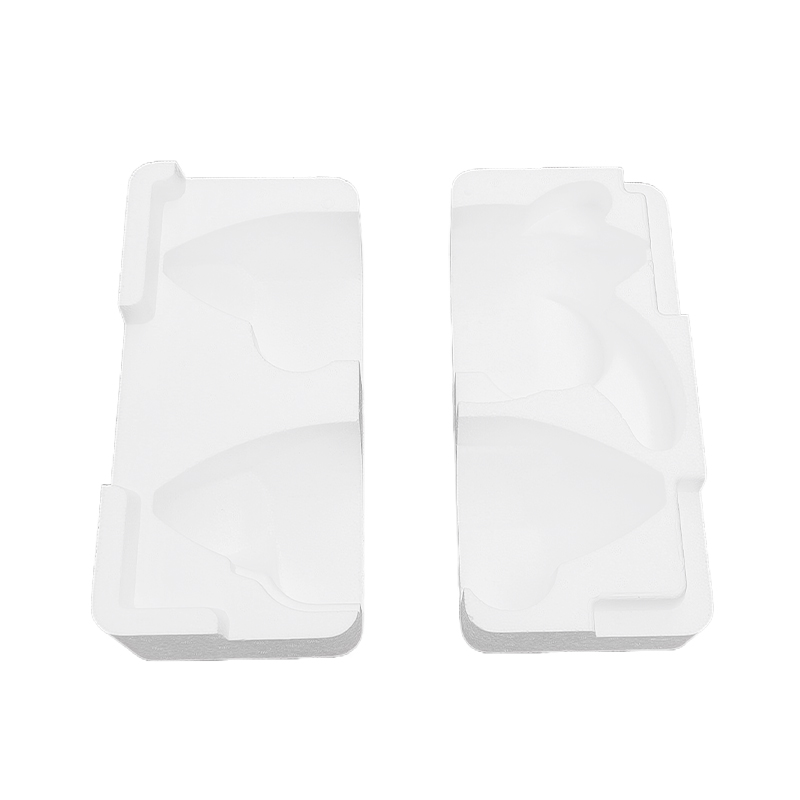
Adding specific energy absorption structures to EPS packaging, such as corrugated, honeycomb, or cavity structures, can significantly improve cushioning. These structures undergo controlled deformation under stress, absorbing a large amount of impact energy and reducing the impact intensity transmitted to the battery. This design not only improves protective performance but also reduces material usage to some extent.
4. Enhance Encapsulation for Improved Overall Stability
A good encapsulation structure can effectively limit battery displacement within the packaging. In high-impact environments, battery shaking or collisions further exacerbate the risk of damage. By customizing a grooved structure that fits the battery's shape, the battery is tightly encased, reducing internal gaps and thus lowering the possibility of secondary impacts.
5. Optimize Corner and Critical Area Protection
During a drop, the corners and edges of the battery are most vulnerable to impact. Therefore, EPS packaging design should focus on reinforcing these critical areas, such as increasing thickness or using special cushioning structures. This localized reinforcement design effectively absorbs impact energy, protecting critical battery components from damage.
6. Controlling the Overall Structural Rigidity-Flexibility Balance
EPS packaging needs both sufficient rigidity to support the structure and adequate flexibility to absorb impact. By rationally controlling material density and structural morphology, a "rigid exterior, flexible interior" design can be achieved, providing good cushioning while withstanding external pressure. This balanced design is a crucial means of enhancing energy absorption capacity.
7. Optimizing Design Schemes Through Simulation Analysis
Simulation technology allows for the analysis of the stress and deformation of EPS packaging under different impact conditions. By comparing various structural schemes, the optimal design can be identified, resulting in more efficient cushioning performance in practical applications. This data-driven optimization method helps improve the scientific rigor and reliability of the design.
In conclusion, in high-impact transportation environments, battery EPS packaging can significantly improve its cushioning and energy absorption capacity through multi-faceted optimization, including layered structure, support optimization, energy-absorbing design, and reinforced encapsulation. Only through synergistic optimization of material performance and structural design can safer and more reliable transportation protection be provided for batteries.
1. Layered Cushioning Structure Enhances Energy Dispersion
Traditional EPS packaging often uses a single-density structure, which can easily lead to localized stress concentration under high impact. By designing a layered cushioning structure, combining EPS materials of different densities, impact energy can be absorbed in stages. For example, a higher-strength material can be used for the outer layer to withstand the initial impact, while a lower-density material can be used for cushioning, helping to reduce the transmission of impact force to the battery itself.
2. Optimized Support Point Layout Reduces Localized Stress
The stress distribution of the battery within the packaging is closely related to the design of the support points. By rationally arranging the support structure, the battery can be evenly stressed at multiple locations, effectively preventing damage caused by excessive stress at a single point. Especially at sharp corners or impact-prone areas, additional cushioning supports or thickened structures should be added to improve overall protection.
3. Introduce Energy Absorption Structure Design
Adding specific energy absorption structures to EPS packaging, such as corrugated, honeycomb, or cavity structures, can significantly improve cushioning. These structures undergo controlled deformation under stress, absorbing a large amount of impact energy and reducing the impact intensity transmitted to the battery. This design not only improves protective performance but also reduces material usage to some extent.
4. Enhance Encapsulation for Improved Overall Stability
A good encapsulation structure can effectively limit battery displacement within the packaging. In high-impact environments, battery shaking or collisions further exacerbate the risk of damage. By customizing a grooved structure that fits the battery's shape, the battery is tightly encased, reducing internal gaps and thus lowering the possibility of secondary impacts.
5. Optimize Corner and Critical Area Protection
During a drop, the corners and edges of the battery are most vulnerable to impact. Therefore, EPS packaging design should focus on reinforcing these critical areas, such as increasing thickness or using special cushioning structures. This localized reinforcement design effectively absorbs impact energy, protecting critical battery components from damage.
6. Controlling the Overall Structural Rigidity-Flexibility Balance
EPS packaging needs both sufficient rigidity to support the structure and adequate flexibility to absorb impact. By rationally controlling material density and structural morphology, a "rigid exterior, flexible interior" design can be achieved, providing good cushioning while withstanding external pressure. This balanced design is a crucial means of enhancing energy absorption capacity.
7. Optimizing Design Schemes Through Simulation Analysis
Simulation technology allows for the analysis of the stress and deformation of EPS packaging under different impact conditions. By comparing various structural schemes, the optimal design can be identified, resulting in more efficient cushioning performance in practical applications. This data-driven optimization method helps improve the scientific rigor and reliability of the design.
In conclusion, in high-impact transportation environments, battery EPS packaging can significantly improve its cushioning and energy absorption capacity through multi-faceted optimization, including layered structure, support optimization, energy-absorbing design, and reinforced encapsulation. Only through synergistic optimization of material performance and structural design can safer and more reliable transportation protection be provided for batteries.