



Can EPS filler prevent movement during appliance transportation?
Release Time : 2026-06-02
In the complex logistics chain that connects manufacturing plants to consumer homes, home appliances face a relentless barrage of physical challenges. From the vibrations of long-haul trucking to the sudden jolts of loading docks and the immense pressure of warehouse stacking, these heavy yet delicate items are constantly at risk. Among the various protective measures employed by manufacturers, Expanded Polystyrene (EPS) filler stands out as an exceptionally effective solution for preventing movement during transportation. By combining precise engineering with inherent material properties, EPS filler ensures that appliances arrive at their destination in pristine condition.
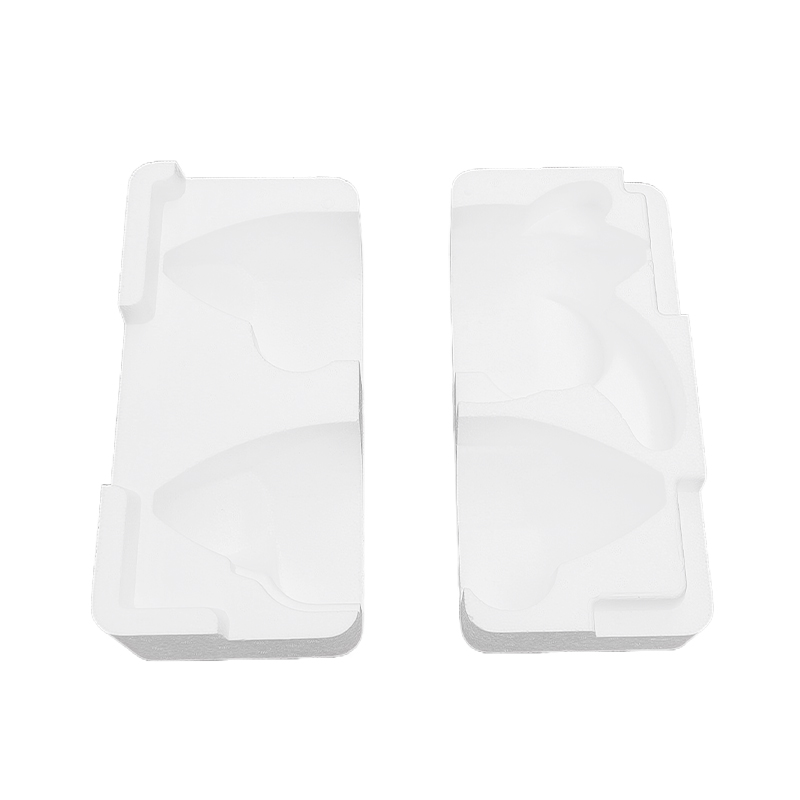
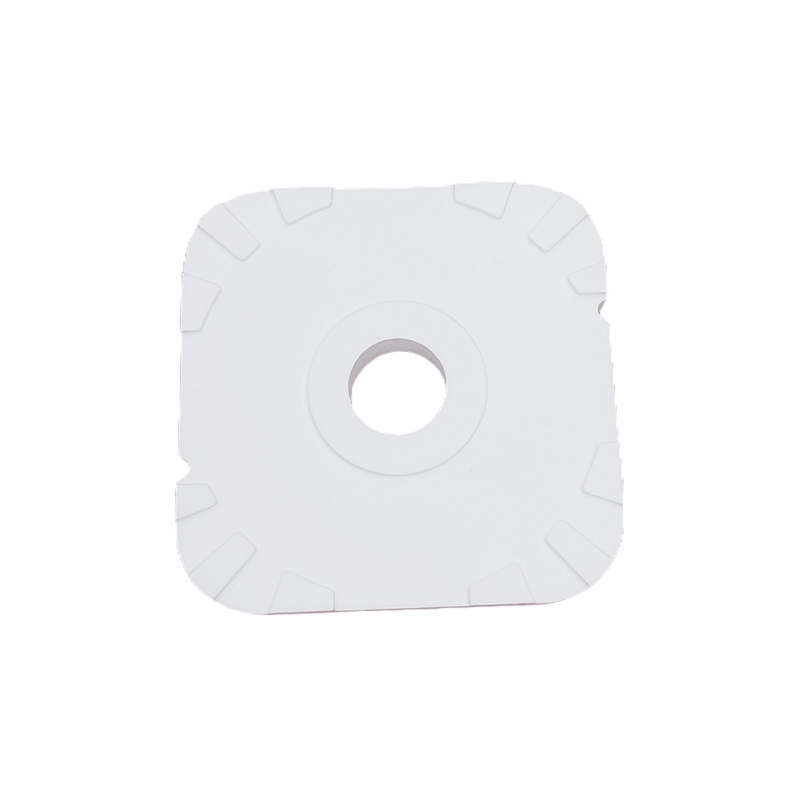
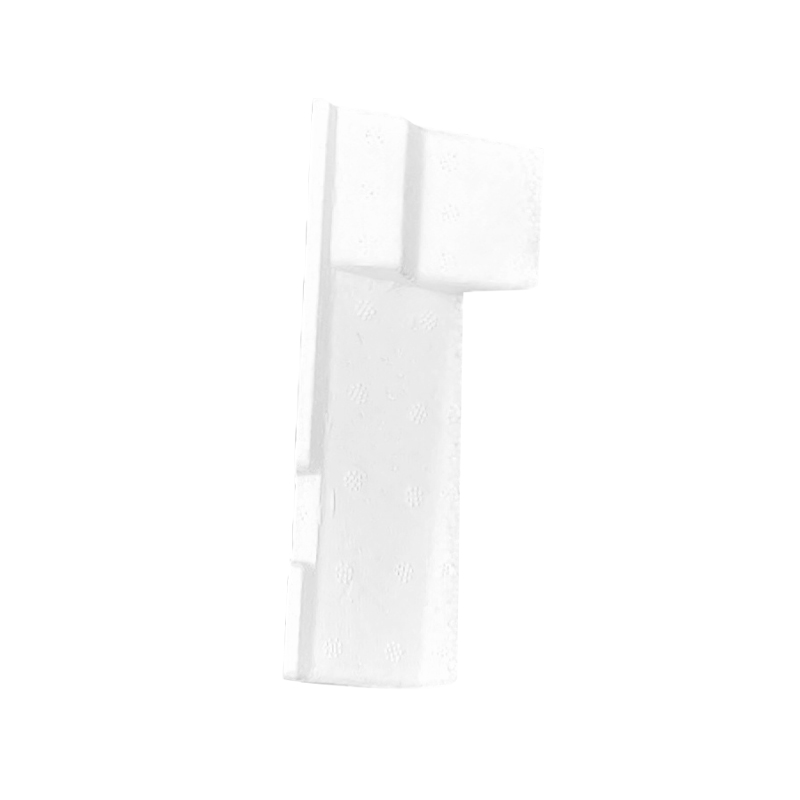
The primary mechanism through which EPS filler prevents movement is its ability to be custom-molded into highly specific shapes. Unlike generic packing materials such as loose peanuts or air pillows, EPS fillers are engineered based on the exact geometry, weight distribution, and vulnerable areas of a particular appliance. Manufacturers utilize advanced molding techniques to create top caps, base supports, corner pads, and side buffers that feature intricate grooves, protrusions, and wrap-around structures. When placed inside the outer shipping carton, these custom components cradle the appliance—whether it is a refrigerator, washing machine, or air conditioner—in a tight, form-fitting embrace. This "snug fit" effectively locks the appliance in place, eliminating any empty space where shifting could occur. By immobilizing the unit within the box, the EPS filler prevents the appliance from sliding, rotating, or rattling against the walls of the packaging during transit.
Beyond simply filling voids, high-quality EPS packaging is designed to manage the structural dynamics of the appliance itself. Many large home appliances have uneven weight distributions; for instance, a compressor in an air conditioner or a motor in a washing machine creates a heavy focal point on one side. If not properly supported, this imbalance can cause the appliance to tilt or stress its own chassis during movement. Custom EPS fillers address this by providing targeted support exactly where the load is heaviest. By creating defined contact points that align with the appliance's load paths, the filler distributes the weight evenly across the base of the packaging. This stabilization not only prevents internal movement but also protects the appliance’s structural integrity, ensuring that heavy internal components do not tear away from their mountings due to inertia.
Furthermore, the prevention of movement is intrinsically linked to the shock-absorbing capabilities of the material. Even when an appliance is tightly secured, external forces from drops or collisions will inevitably transfer energy to the package. EPS is composed of a cellular structure filled with millions of tiny, closed air pockets. When subjected to an impact, these pockets compress and deform, absorbing and dissipating the kinetic energy before it can reach the appliance. This cushioning effect acts as a buffer zone. Without this absorption, the momentum generated by a sudden stop could cause even a well-fitted appliance to lurch forward, potentially breaking glass panels, denting cosmetic surfaces, or damaging precision electronic circuitry. The EPS filler essentially neutralizes the forces that cause violent internal shifts.
Finally, the role of EPS filler extends to facilitating stable external handling, which indirectly prevents internal movement. Because EPS is incredibly lightweight yet rigid, it allows for the creation of robust packaging systems that are easy for logistics personnel to handle. Stable, well-balanced packages are less likely to be dropped or mishandled compared to bulky, unstructured loads. Additionally, the rigidity of molded EPS allows packages to be stacked securely in warehouses and shipping containers without collapsing. This stackability prevents the crushing forces that could otherwise deform the outer box and compromise the tight fit of the internal padding, thereby maintaining the anti-movement protection throughout the entire supply chain.
In conclusion, EPS filler is far more than simple packaging material; it is a precision-engineered restraint system. Through custom-molded geometries that eliminate gaps, targeted support for uneven weight distribution, superior impact absorption, and enhanced logistical stability, EPS filler successfully immobilizes home appliances. It provides a reliable shield against the chaotic environment of transportation, ensuring that fragile screens, compressors, and control panels remain perfectly aligned and undamaged from the factory floor to the customer's door.
The primary mechanism through which EPS filler prevents movement is its ability to be custom-molded into highly specific shapes. Unlike generic packing materials such as loose peanuts or air pillows, EPS fillers are engineered based on the exact geometry, weight distribution, and vulnerable areas of a particular appliance. Manufacturers utilize advanced molding techniques to create top caps, base supports, corner pads, and side buffers that feature intricate grooves, protrusions, and wrap-around structures. When placed inside the outer shipping carton, these custom components cradle the appliance—whether it is a refrigerator, washing machine, or air conditioner—in a tight, form-fitting embrace. This "snug fit" effectively locks the appliance in place, eliminating any empty space where shifting could occur. By immobilizing the unit within the box, the EPS filler prevents the appliance from sliding, rotating, or rattling against the walls of the packaging during transit.
Beyond simply filling voids, high-quality EPS packaging is designed to manage the structural dynamics of the appliance itself. Many large home appliances have uneven weight distributions; for instance, a compressor in an air conditioner or a motor in a washing machine creates a heavy focal point on one side. If not properly supported, this imbalance can cause the appliance to tilt or stress its own chassis during movement. Custom EPS fillers address this by providing targeted support exactly where the load is heaviest. By creating defined contact points that align with the appliance's load paths, the filler distributes the weight evenly across the base of the packaging. This stabilization not only prevents internal movement but also protects the appliance’s structural integrity, ensuring that heavy internal components do not tear away from their mountings due to inertia.
Furthermore, the prevention of movement is intrinsically linked to the shock-absorbing capabilities of the material. Even when an appliance is tightly secured, external forces from drops or collisions will inevitably transfer energy to the package. EPS is composed of a cellular structure filled with millions of tiny, closed air pockets. When subjected to an impact, these pockets compress and deform, absorbing and dissipating the kinetic energy before it can reach the appliance. This cushioning effect acts as a buffer zone. Without this absorption, the momentum generated by a sudden stop could cause even a well-fitted appliance to lurch forward, potentially breaking glass panels, denting cosmetic surfaces, or damaging precision electronic circuitry. The EPS filler essentially neutralizes the forces that cause violent internal shifts.
Finally, the role of EPS filler extends to facilitating stable external handling, which indirectly prevents internal movement. Because EPS is incredibly lightweight yet rigid, it allows for the creation of robust packaging systems that are easy for logistics personnel to handle. Stable, well-balanced packages are less likely to be dropped or mishandled compared to bulky, unstructured loads. Additionally, the rigidity of molded EPS allows packages to be stacked securely in warehouses and shipping containers without collapsing. This stackability prevents the crushing forces that could otherwise deform the outer box and compromise the tight fit of the internal padding, thereby maintaining the anti-movement protection throughout the entire supply chain.
In conclusion, EPS filler is far more than simple packaging material; it is a precision-engineered restraint system. Through custom-molded geometries that eliminate gaps, targeted support for uneven weight distribution, superior impact absorption, and enhanced logistical stability, EPS filler successfully immobilizes home appliances. It provides a reliable shield against the chaotic environment of transportation, ensuring that fragile screens, compressors, and control panels remain perfectly aligned and undamaged from the factory floor to the customer's door.