



Why is EPS packaging becoming an efficient protective solution for cable transportation and warehousing?
Release Time : 2026-05-27
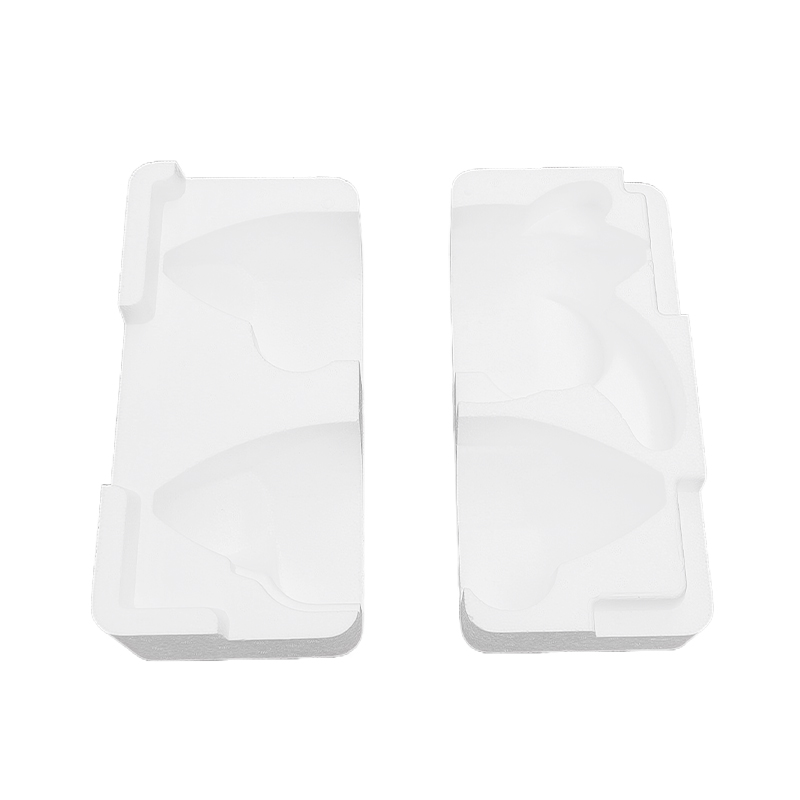
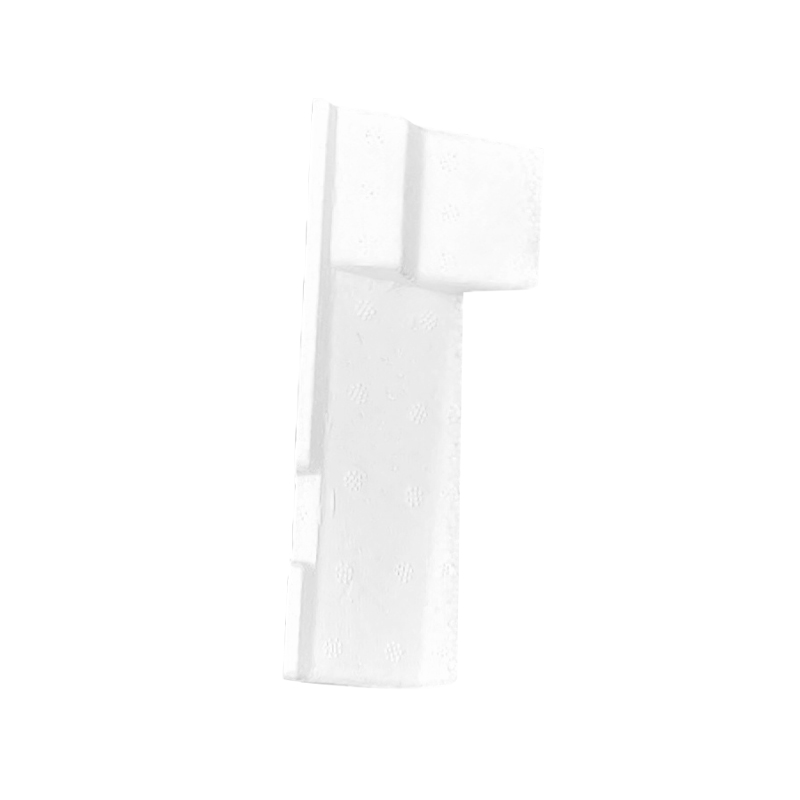
With the continuous development of the wire and cable industry, the need for protection during product transportation and warehousing is receiving increasing attention. During handling, transportation, and long-term storage, wires are easily damaged by friction, compression, and entanglement, affecting the integrity of the insulation layer and overall performance. Wires EPS packaging, with its advantages of scratch and wear resistance, soft cushioning, easy handling, and efficient protection, is becoming an important solution in the modern wire packaging field.
The biggest advantage of EPS packaging lies in its excellent cushioning performance. The soft and elastic EPS foam material can tightly conform to the surface of the wire, effectively reducing the impact of friction and collision during transportation and storage. Compared to ordinary packaging methods, EPS packaging can better protect the integrity of the wire insulation layer and reduce the risk of damage caused by external compression.
In modern logistics and transportation environments, wire products often need to undergo multiple handling and stacking processes. High-quality EPS packaging can form a stable cushioning layer, reducing vibration and impact during transportation, allowing wire products to maintain good condition even in complex logistics environments. This stable protective capability is particularly important for high-quality wire products.
Scratch and abrasion resistance are also key features of wires EPS packaging. Scratches to the outer insulation of wires not only affect the product's appearance but can also reduce overall safety. EPS packaging, with its flexible structure, effectively reduces friction between wires and with external objects, providing more comprehensive protection.
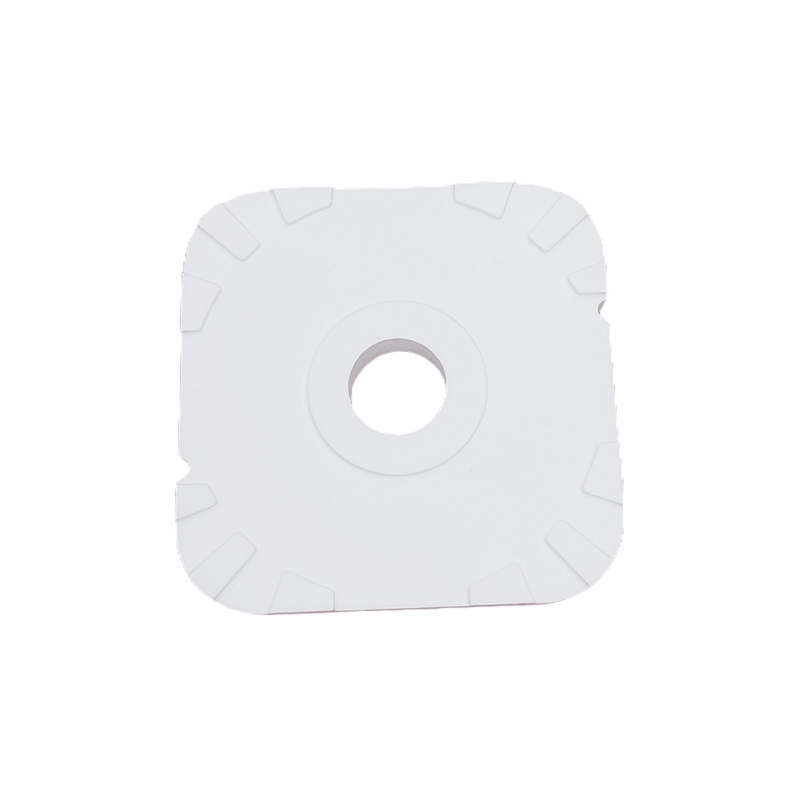
Beyond protection, wires EPS packaging also offers significant advantages in organization and management. Some products feature a trough or spiral design, which can secure and categorize loose wires, reducing tangling and knots. This design not only facilitates subsequent retrieval but also makes warehouse management neater and more efficient.
For scenarios requiring the simultaneous storage of multiple wires, efficient wire organization is particularly important. Traditional stacking methods easily lead to chaotic wiring, while EPS packaging, with its structured design, allows for more orderly wire placement, improving overall warehouse space utilization and reducing subsequent searching and organization time.
In industrial warehousing and engineering construction, wire products often require frequent handling and use. Wires EPS packaging not only enhances product protection but also facilitates quick retrieval by on-site personnel, improving overall construction and management efficiency. This convenience is of significant value for large-scale engineering projects.
As the variety of modern cable products continues to increase, the market demands for packaging adaptability are also rising. EPS packaging possesses excellent plasticity and processing performance, allowing for flexible design to suit different wire specifications, better meeting diverse packaging needs.
Compared to traditional rigid packaging materials, EPS foam is significantly lighter. Lightweight packaging not only helps reduce transportation burdens but also reduces operational stress during handling, improving overall logistics efficiency. This portability also better aligns with the modern logistics industry's demand for efficient transportation.
In long-term storage environments, wire products are susceptible to moisture, compression, and environmental changes. EPS packaging provides a more stable storage environment for wires. The soft, cushioning structure not only helps protect the product's appearance but also reduces pressure deformation during long-term stacking.
Modern enterprises increasingly value product delivery quality, and packaging, as a crucial protective element during product transportation, plays an increasingly prominent role. High-quality EPS packaging effectively reduces transportation losses, improves product integrity upon arrival, and supports businesses in enhancing customer satisfaction.
Beyond industrial wires, EPS packaging also has wide applications in communication cables, home appliance wiring, and electronic equipment cables. Its stable and reliable protection helps various types of cables maintain good condition during transportation and storage, improving overall product quality.
With the continuous development of the logistics industry and industrial manufacturing, the market's demands for specialized packaging products are constantly increasing. Wires EPS packaging, with its advantages of scratch and wear resistance, soft cushioning, efficient handling, and flexible adaptability, is becoming an important part of the modern cable packaging field.
In the future, as the wire and cable industry continues to upgrade, packaging products will be continuously optimized in terms of protective performance, structural design, and environmental applications. Through more advanced materials and processes and more scientific packaging structures, Wires EPS packaging will further promote the development of cable transportation and warehousing management towards a safer, more efficient, and standardized direction, providing more reliable packaging solutions for modern industrial logistics.
The biggest advantage of EPS packaging lies in its excellent cushioning performance. The soft and elastic EPS foam material can tightly conform to the surface of the wire, effectively reducing the impact of friction and collision during transportation and storage. Compared to ordinary packaging methods, EPS packaging can better protect the integrity of the wire insulation layer and reduce the risk of damage caused by external compression.
In modern logistics and transportation environments, wire products often need to undergo multiple handling and stacking processes. High-quality EPS packaging can form a stable cushioning layer, reducing vibration and impact during transportation, allowing wire products to maintain good condition even in complex logistics environments. This stable protective capability is particularly important for high-quality wire products.
Scratch and abrasion resistance are also key features of wires EPS packaging. Scratches to the outer insulation of wires not only affect the product's appearance but can also reduce overall safety. EPS packaging, with its flexible structure, effectively reduces friction between wires and with external objects, providing more comprehensive protection.
Beyond protection, wires EPS packaging also offers significant advantages in organization and management. Some products feature a trough or spiral design, which can secure and categorize loose wires, reducing tangling and knots. This design not only facilitates subsequent retrieval but also makes warehouse management neater and more efficient.
For scenarios requiring the simultaneous storage of multiple wires, efficient wire organization is particularly important. Traditional stacking methods easily lead to chaotic wiring, while EPS packaging, with its structured design, allows for more orderly wire placement, improving overall warehouse space utilization and reducing subsequent searching and organization time.
In industrial warehousing and engineering construction, wire products often require frequent handling and use. Wires EPS packaging not only enhances product protection but also facilitates quick retrieval by on-site personnel, improving overall construction and management efficiency. This convenience is of significant value for large-scale engineering projects.
As the variety of modern cable products continues to increase, the market demands for packaging adaptability are also rising. EPS packaging possesses excellent plasticity and processing performance, allowing for flexible design to suit different wire specifications, better meeting diverse packaging needs.
Compared to traditional rigid packaging materials, EPS foam is significantly lighter. Lightweight packaging not only helps reduce transportation burdens but also reduces operational stress during handling, improving overall logistics efficiency. This portability also better aligns with the modern logistics industry's demand for efficient transportation.
In long-term storage environments, wire products are susceptible to moisture, compression, and environmental changes. EPS packaging provides a more stable storage environment for wires. The soft, cushioning structure not only helps protect the product's appearance but also reduces pressure deformation during long-term stacking.
Modern enterprises increasingly value product delivery quality, and packaging, as a crucial protective element during product transportation, plays an increasingly prominent role. High-quality EPS packaging effectively reduces transportation losses, improves product integrity upon arrival, and supports businesses in enhancing customer satisfaction.
Beyond industrial wires, EPS packaging also has wide applications in communication cables, home appliance wiring, and electronic equipment cables. Its stable and reliable protection helps various types of cables maintain good condition during transportation and storage, improving overall product quality.
With the continuous development of the logistics industry and industrial manufacturing, the market's demands for specialized packaging products are constantly increasing. Wires EPS packaging, with its advantages of scratch and wear resistance, soft cushioning, efficient handling, and flexible adaptability, is becoming an important part of the modern cable packaging field.
In the future, as the wire and cable industry continues to upgrade, packaging products will be continuously optimized in terms of protective performance, structural design, and environmental applications. Through more advanced materials and processes and more scientific packaging structures, Wires EPS packaging will further promote the development of cable transportation and warehousing management towards a safer, more efficient, and standardized direction, providing more reliable packaging solutions for modern industrial logistics.