



How does EPS filler provide customized protection for the core components of different home appliances through its "tailor-made" structural design?
Release Time : 2025-12-19
In the modern home appliance logistics system, products often travel thousands of kilometers from the production line to the consumer, undergoing multiple loading and unloading operations, stacking, vibrations, and even accidental drops. Core components such as television screens, refrigerator compressors, and washing machine control panels have diverse structures, fragile materials, and high value, placing extremely high demands on transportation protection. EPS filler, with its customizability, high cushioning, and cost-effectiveness, becomes the "invisible armor" of home appliance packaging. Its key advantage lies in its "tailor-made" structural design—creating a customized physical protection solution for each type of home appliance and each vulnerable point.
1. Precise Modeling: From 3D Scanning to Digital Twins
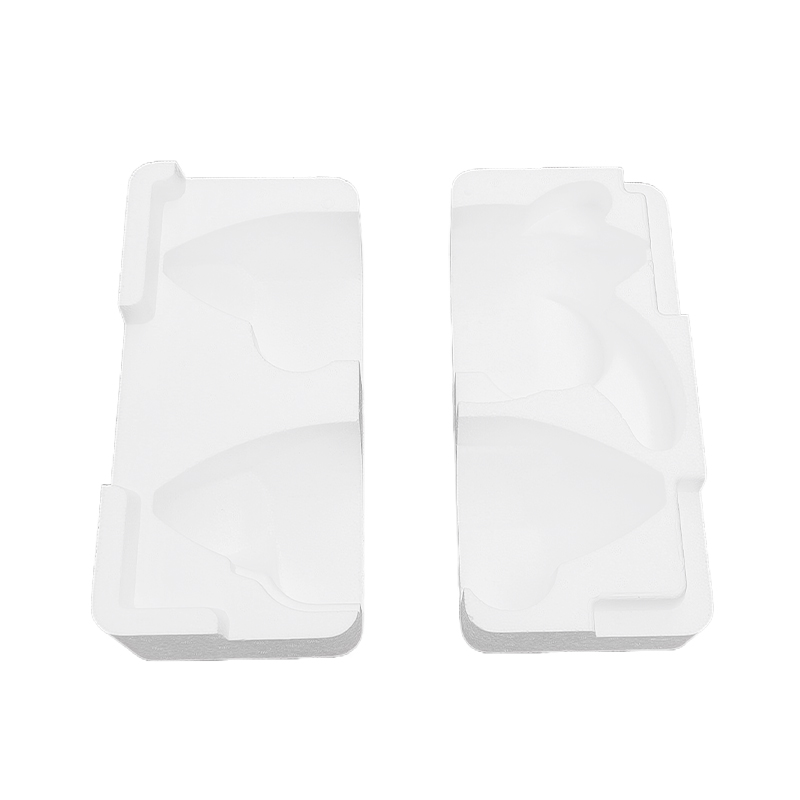
The first step in "tailor-made" packaging is "precise measurement." Manufacturers typically obtain precise outlines, prominent structural features, and coordinates of sensitive areas based on 3D CAD models of the entire appliance and key components, or through laser scanning of the physical object. For example, the metal frame around the TV screen, the protrusions on the back circuit board, and the holes in the bottom bracket are all marked as areas requiring special attention or support. Engineers then create a virtual model of the EPS filler in software, designing grooves, slots, and support ribs that perfectly fit it, ensuring a tight, secure fit once the component is placed. This digitally driven design process transforms the EPS filler from a generic foam block into a highly personalized "functional mold."
2. Structural Zoning: Differentiated Protection to Address Diverse Risks
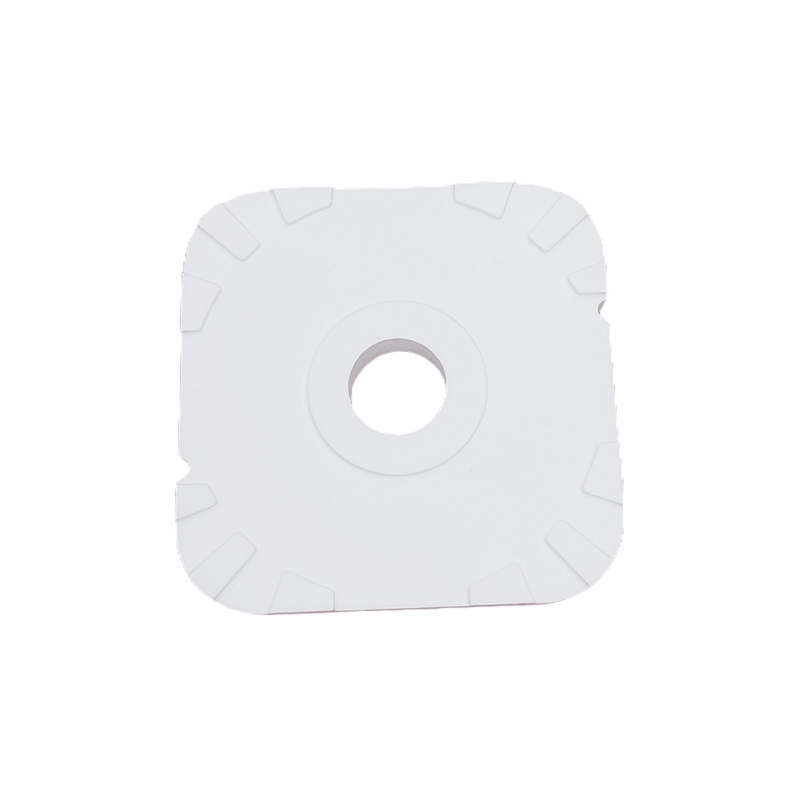
Different appliance components face different risks: screens are susceptible to frontal impacts and bending stress, compressors are vulnerable to severe vibrations that could loosen internal valves, and control panels are susceptible to button malfunctions caused by localized pressure. Therefore, the EPS filler employs a zoned reinforcement design. In the screen area, a large-area flat support with surrounding retaining walls prevents lateral displacement; below the compressor, thickened honeycomb support columns enhance vertical pressure resistance; and near precision circuitry, perforated avoidance zones prevent direct pressure from the foam on components. Some high-end solutions even integrate variable-density areas within the same EPS block—high-stress areas use higher-density foam, while non-critical areas use low-density materials to reduce weight and cost, achieving an optimal balance between performance and economy.
3. Mechanical Optimization: The Art of Energy Absorption in Porous Structures
EPS' protective capabilities stem from its closed-cell foam structure. When external impact is applied, countless tiny bubbles are compressed, deformed, and ruptured sequentially, converting kinetic energy into heat energy, thus significantly attenuating the peak impact transmitted to the product. By adjusting the foaming ratio, bead size, and curing process, the compressive strength and resilience of EPS can be precisely controlled. In "tailor-made" design, engineers calculate the required cushioning thickness and structural form based on the transportation environment and product weight.
4. Assembly-Friendly: Balancing Protection and User Experience
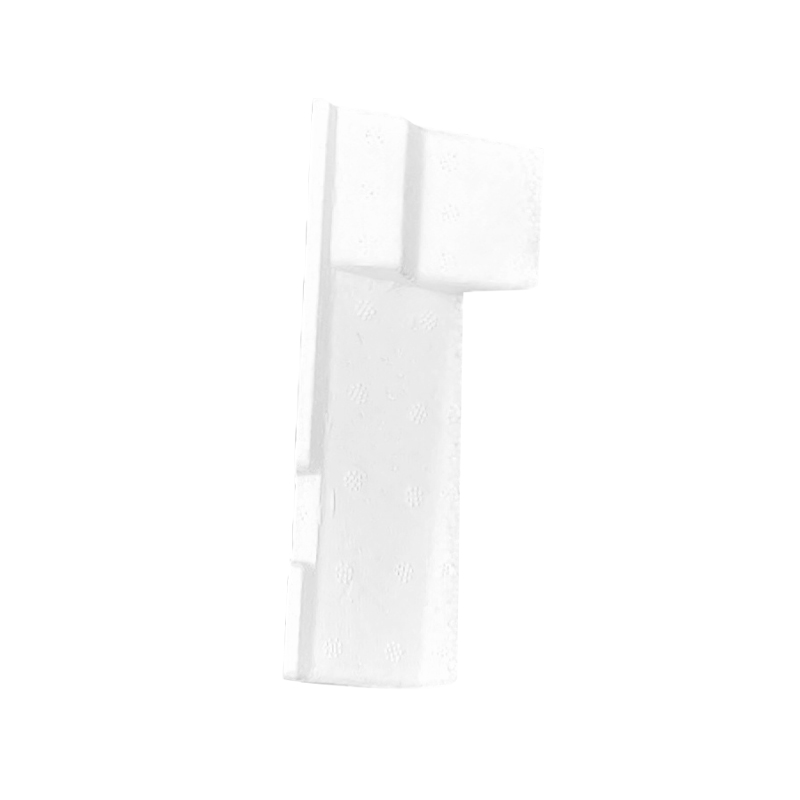
EPS fillers not only protect the product but also consider production line assembly efficiency and the user's unpacking experience. Their structure is often designed with guide ramps, handle grooves, or easy-tear connection points, facilitating quick positioning and installation by workers and allowing consumers to easily remove appliances without damaging the packaging or product. Meanwhile, the smooth surface treatment prevents lint from contaminating appliance surfaces, and the rounded edges prevent scratches to operators. This "comprehensive approach" elevates EPS from a simple cushioning material to a key component of a holistic packaging solution.
The "tailor-made" nature of EPS fillers is essentially the result of a deep integration of engineering mechanics, materials science, and industrial design. It is no longer a passively filled piece of foam, but an actively adaptable and intelligently responsive protective system. With the increasing thinness and precision of home appliances, this highly customized cushioning solution is silently and solidly protecting every product until it safely reaches the user—because true protection is never one-size-fits-all, but rather just right.
1. Precise Modeling: From 3D Scanning to Digital Twins
The first step in "tailor-made" packaging is "precise measurement." Manufacturers typically obtain precise outlines, prominent structural features, and coordinates of sensitive areas based on 3D CAD models of the entire appliance and key components, or through laser scanning of the physical object. For example, the metal frame around the TV screen, the protrusions on the back circuit board, and the holes in the bottom bracket are all marked as areas requiring special attention or support. Engineers then create a virtual model of the EPS filler in software, designing grooves, slots, and support ribs that perfectly fit it, ensuring a tight, secure fit once the component is placed. This digitally driven design process transforms the EPS filler from a generic foam block into a highly personalized "functional mold."
2. Structural Zoning: Differentiated Protection to Address Diverse Risks
Different appliance components face different risks: screens are susceptible to frontal impacts and bending stress, compressors are vulnerable to severe vibrations that could loosen internal valves, and control panels are susceptible to button malfunctions caused by localized pressure. Therefore, the EPS filler employs a zoned reinforcement design. In the screen area, a large-area flat support with surrounding retaining walls prevents lateral displacement; below the compressor, thickened honeycomb support columns enhance vertical pressure resistance; and near precision circuitry, perforated avoidance zones prevent direct pressure from the foam on components. Some high-end solutions even integrate variable-density areas within the same EPS block—high-stress areas use higher-density foam, while non-critical areas use low-density materials to reduce weight and cost, achieving an optimal balance between performance and economy.
3. Mechanical Optimization: The Art of Energy Absorption in Porous Structures
EPS' protective capabilities stem from its closed-cell foam structure. When external impact is applied, countless tiny bubbles are compressed, deformed, and ruptured sequentially, converting kinetic energy into heat energy, thus significantly attenuating the peak impact transmitted to the product. By adjusting the foaming ratio, bead size, and curing process, the compressive strength and resilience of EPS can be precisely controlled. In "tailor-made" design, engineers calculate the required cushioning thickness and structural form based on the transportation environment and product weight.
4. Assembly-Friendly: Balancing Protection and User Experience
EPS fillers not only protect the product but also consider production line assembly efficiency and the user's unpacking experience. Their structure is often designed with guide ramps, handle grooves, or easy-tear connection points, facilitating quick positioning and installation by workers and allowing consumers to easily remove appliances without damaging the packaging or product. Meanwhile, the smooth surface treatment prevents lint from contaminating appliance surfaces, and the rounded edges prevent scratches to operators. This "comprehensive approach" elevates EPS from a simple cushioning material to a key component of a holistic packaging solution.
The "tailor-made" nature of EPS fillers is essentially the result of a deep integration of engineering mechanics, materials science, and industrial design. It is no longer a passively filled piece of foam, but an actively adaptable and intelligently responsive protective system. With the increasing thinness and precision of home appliances, this highly customized cushioning solution is silently and solidly protecting every product until it safely reaches the user—because true protection is never one-size-fits-all, but rather just right.