



How does EPS filler build an impenetrable invisible defense for precision home appliances?
Release Time : 2026-03-16
In the grand industrial chain of modern home appliance manufacturing, the superior performance and exquisite appearance of products often attract attention. However, the unsung hero behind ensuring the safe arrival of these expensive devices from the production line to the user is the seemingly unassuming EPS foam filler. This white material, made of polystyrene foam, has long transcended the scope of traditional packaging materials, evolving into a high-tech solution integrating precise protection, impact cushioning, and structural support, silently safeguarding the integrity and safety of every refrigerator, television, washing machine, and other home appliance.
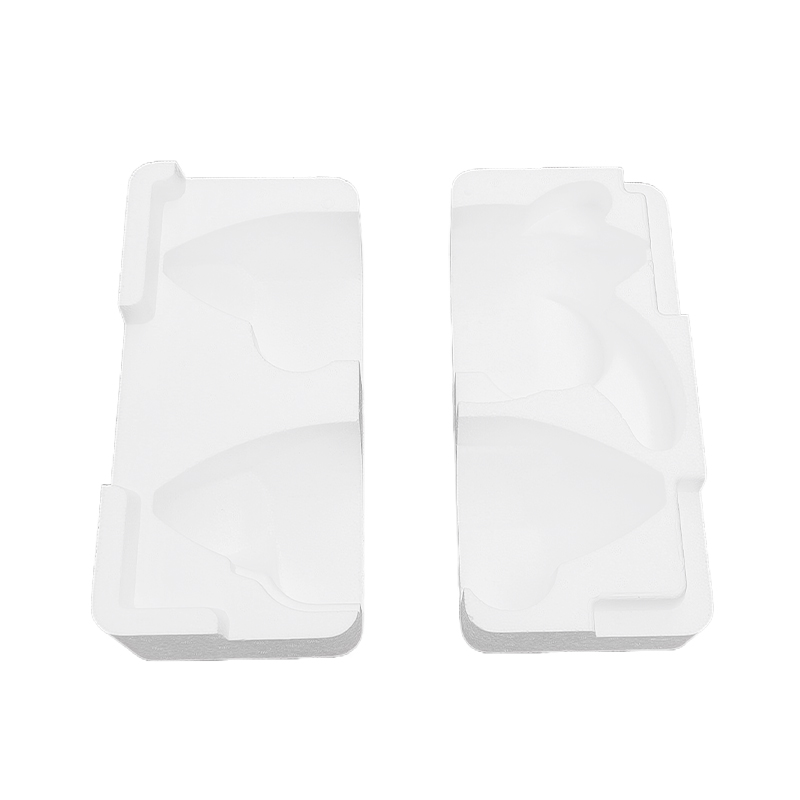
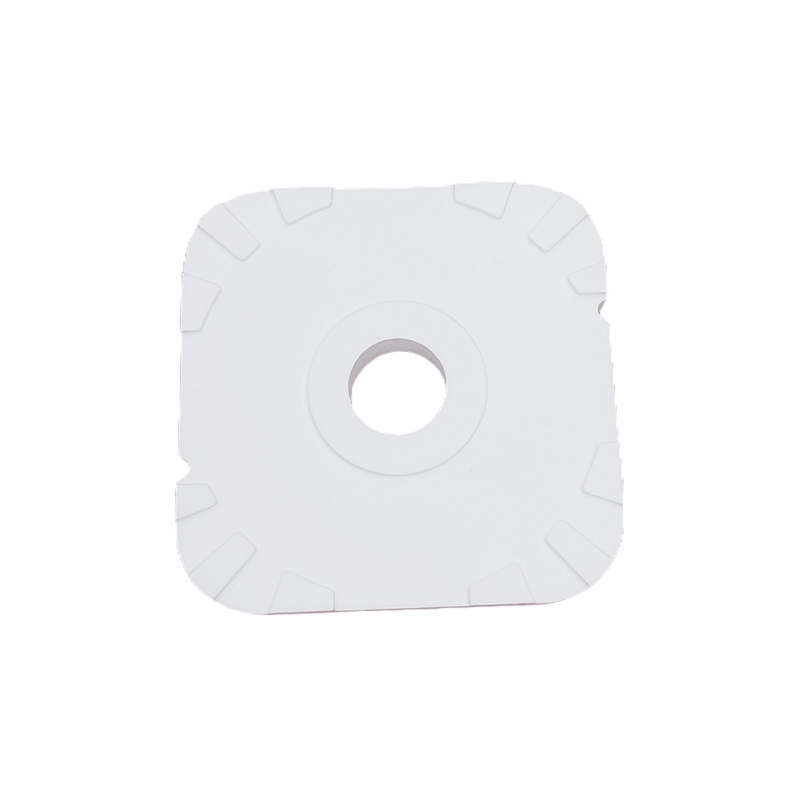
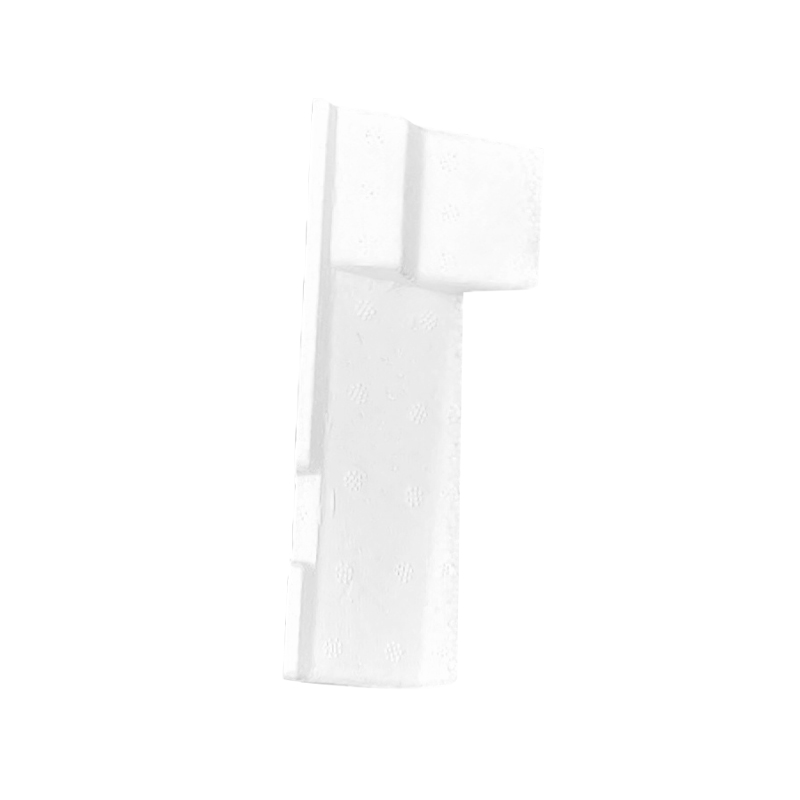
Customized design is the primary characteristic that showcases the core value of EPS fillers. Faced with home appliances of varying shapes and complex structures, generic packaging solutions often fail to provide comprehensive protection, while customized EPS perfectly conforms to the unique contours of each product. Engineers utilize advanced 3D modeling technology to deeply analyze the geometry, dimensions, and vulnerable parts of key components such as screens, compressors, and control panels, meticulously designing foam liners with specific grooves, protrusions, and surrounding structures. When home appliances are placed inside, the EPS filler acts like a second skin, tightly wrapping the product and eliminating internal gaps. This completely eliminates the risk of friction and collision caused by shaking and displacement during transportation. This tight-fitting method not only stabilizes unstable components but also evenly distributes stress to the outer packaging, ensuring the product's absolute stillness in dynamic logistics environments.
Strong impact cushioning is the core weapon of the EPS filler in resisting external violence. Its numerous closed micropores form a highly efficient energy absorption system. When accidental drops, heavy stacking, or severe bumps occur during handling, these micropores can instantly undergo elastic deformation, converting the enormous external impact kinetic energy into deformation energy within the material and dissipating it, thus greatly reducing the impact force transmitted to the appliance. For the fragile glass screen of a television, the delicate compressor pipes of a refrigerator, and the sensitive control circuit board of a washing machine, this cushioning mechanism is undoubtedly a life-saving barrier. It can defuse crises in critical moments, preventing brittle materials from fracturing, precision components from detaching, or internal structures from deforming, ensuring the product's functionality remains intact.
Beyond its superior physical protection, EPS filler also excels in lightweighting and cost-effectiveness. Its extremely low density allows it to provide robust protection while adding almost no extra weight for transport, effectively reducing fuel consumption and carbon emissions in logistics, aligning with the trend of green logistics. Simultaneously, its excellent plasticity and mature manufacturing processes enable large-scale customized production, meeting the stringent requirements of appliance manufacturers for packaging consistency while controlling overall packaging costs. Under extreme temperature changes, EPS maintains stable chemical properties and mechanical strength, not failing due to alternating hot and cold temperatures, demonstrating exceptional environmental adaptability.
From the microscopic bubble structure to the macroscopic protective system, customized EPS filler, with its silent dedication, exemplifies the truth that "details determine success or failure" in industrial design. It is not merely a physical barrier layer, but a bridge connecting the manufacturer's sincerity and the consumer's trust. Every safe unboxing experience embodies a profound understanding of materials science and an unwavering pursuit of protective technology. In the future era of smart homes, as home appliances become increasingly sophisticated and large-scale, EPS filler will continue to evolve, employing optimized structural designs and more environmentally friendly material formulations to safeguard more high-tech products. This will ensure that every precious technological achievement can cross mountains and seas, seamlessly integrating into the beautiful lives of countless households, becoming an indispensable and steadfast guardian in the modern logistics system.
Customized design is the primary characteristic that showcases the core value of EPS fillers. Faced with home appliances of varying shapes and complex structures, generic packaging solutions often fail to provide comprehensive protection, while customized EPS perfectly conforms to the unique contours of each product. Engineers utilize advanced 3D modeling technology to deeply analyze the geometry, dimensions, and vulnerable parts of key components such as screens, compressors, and control panels, meticulously designing foam liners with specific grooves, protrusions, and surrounding structures. When home appliances are placed inside, the EPS filler acts like a second skin, tightly wrapping the product and eliminating internal gaps. This completely eliminates the risk of friction and collision caused by shaking and displacement during transportation. This tight-fitting method not only stabilizes unstable components but also evenly distributes stress to the outer packaging, ensuring the product's absolute stillness in dynamic logistics environments.
Strong impact cushioning is the core weapon of the EPS filler in resisting external violence. Its numerous closed micropores form a highly efficient energy absorption system. When accidental drops, heavy stacking, or severe bumps occur during handling, these micropores can instantly undergo elastic deformation, converting the enormous external impact kinetic energy into deformation energy within the material and dissipating it, thus greatly reducing the impact force transmitted to the appliance. For the fragile glass screen of a television, the delicate compressor pipes of a refrigerator, and the sensitive control circuit board of a washing machine, this cushioning mechanism is undoubtedly a life-saving barrier. It can defuse crises in critical moments, preventing brittle materials from fracturing, precision components from detaching, or internal structures from deforming, ensuring the product's functionality remains intact.
Beyond its superior physical protection, EPS filler also excels in lightweighting and cost-effectiveness. Its extremely low density allows it to provide robust protection while adding almost no extra weight for transport, effectively reducing fuel consumption and carbon emissions in logistics, aligning with the trend of green logistics. Simultaneously, its excellent plasticity and mature manufacturing processes enable large-scale customized production, meeting the stringent requirements of appliance manufacturers for packaging consistency while controlling overall packaging costs. Under extreme temperature changes, EPS maintains stable chemical properties and mechanical strength, not failing due to alternating hot and cold temperatures, demonstrating exceptional environmental adaptability.
From the microscopic bubble structure to the macroscopic protective system, customized EPS filler, with its silent dedication, exemplifies the truth that "details determine success or failure" in industrial design. It is not merely a physical barrier layer, but a bridge connecting the manufacturer's sincerity and the consumer's trust. Every safe unboxing experience embodies a profound understanding of materials science and an unwavering pursuit of protective technology. In the future era of smart homes, as home appliances become increasingly sophisticated and large-scale, EPS filler will continue to evolve, employing optimized structural designs and more environmentally friendly material formulations to safeguard more high-tech products. This will ensure that every precious technological achievement can cross mountains and seas, seamlessly integrating into the beautiful lives of countless households, becoming an indispensable and steadfast guardian in the modern logistics system.