



How can wires EPS packaging ensure scratch and abrasion resistance while avoiding indentations or long-term stress damage to the wire insulation?
Release Time : 2026-03-26
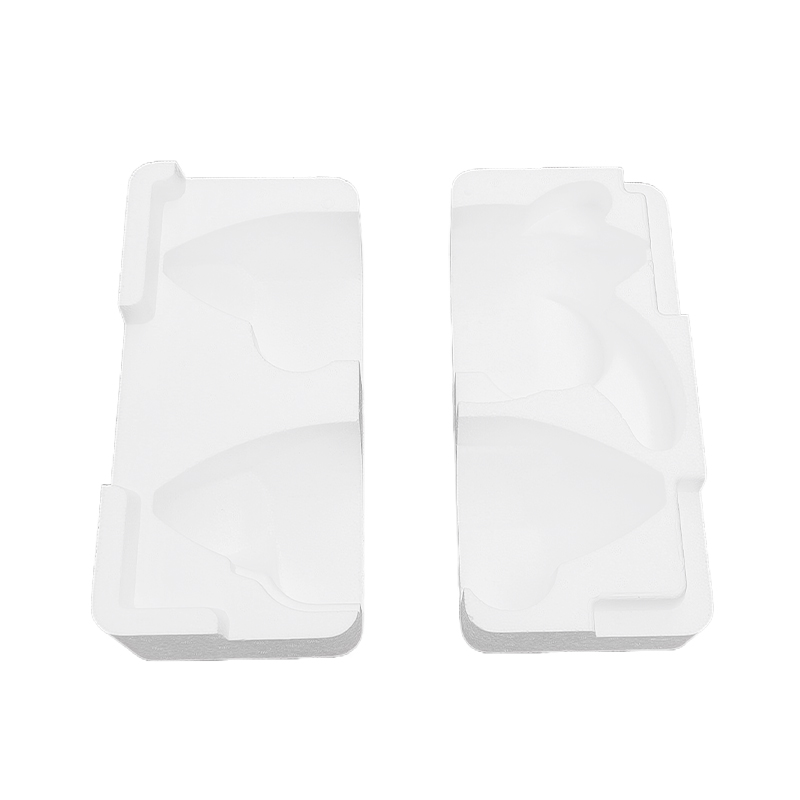
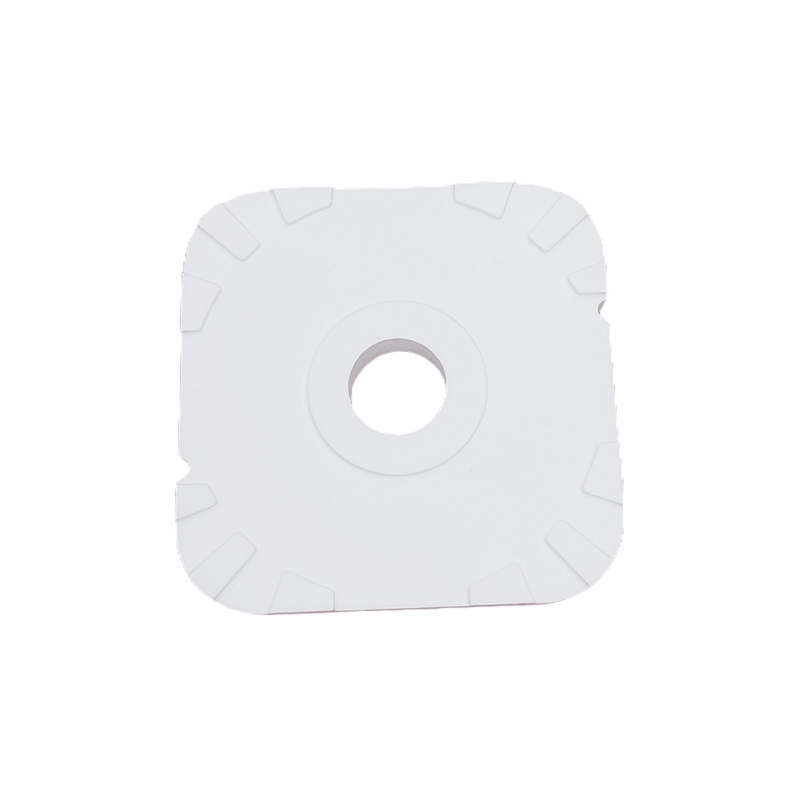
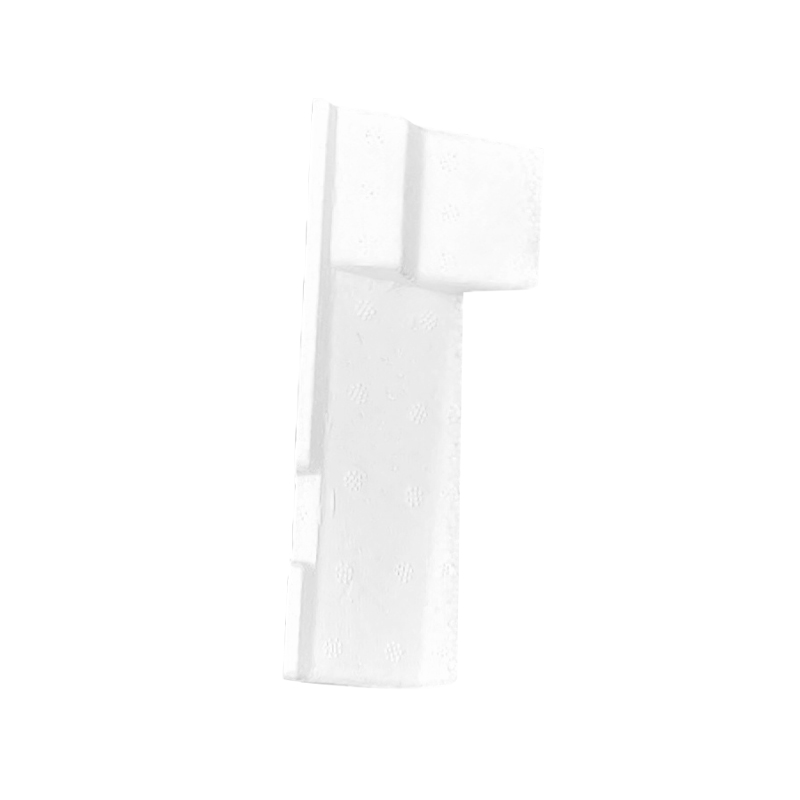
Wires EPS packaging is widely used in wire transportation and storage due to its lightweight and excellent cushioning properties. Its soft and elastic characteristics effectively prevent scratches and abrasions during handling and stacking. However, if poorly designed, the continuous wrapping of wires with EPS can also lead to indentations or even long-term stress damage, affecting the integrity of the insulation layer. Achieving a balance between "protection" and "pressure reduction" is crucial in wires EPS packaging design.
1. Material Density Control: The Balance Between Softness and Support
The density of EPS material directly determines its mechanical properties. Too low a density, while soft, provides insufficient support and is prone to collapse under pressure, leading to localized stress concentration on the wire. Too high a density results in a harder material, easily forming indentations at the contact surface. Therefore, an appropriate density range should be selected based on the wire diameter, weight, and stacking method, ensuring the material provides necessary support while maintaining good cushioning and rebound capabilities.
2. Structural Design Optimization: Distributing Stress and Avoiding Concentrated Pressure
At the structural level, avoiding "point contact" is crucial. Traditional planar compression methods easily lead to localized stress concentrations. Optimized EPS packaging can employ curved grooves, corrugated surfaces, or multi-point support structures to create "surface contact" or "line contact" between the wire and the packaging, thus distributing pressure evenly. Furthermore, for thicker or heavier wires, segmented support structures can be designed to distribute the overall weight across multiple support areas, preventing deformation caused by prolonged pressure on a single area.
3. Reserved Buffer Space: Reducing the Effect of Continuous Compression
Proper dimensional design is equally important. EPS packaging should not tightly wrap the wires; instead, small gaps should be reserved in the structure to allow the wires some "room to move" under external force. This buffer can absorb vibrations and impacts during transportation, preventing external force from being directly transmitted to the insulation layer. Simultaneously, by controlling the compression ratio of the packaging, it can still rebound quickly after being compressed, reducing material fatigue caused by continuous compression.
4. Surface Treatment and Lining Optimization
To further reduce the risk of friction and indentation, a flexible liner, such as a film or a thin layer of soft material, can be added to the EPS contact surface. This "soft contact layer" reduces the microscopic compression of the wire surface by the EPS particle structure, while improving the overall uniformity of contact. In addition, moderate surface smoothing also helps reduce frictional resistance and minimizes pulling on the insulation layer during loading and unloading.
5. Coordinated Design of Stacking and Usage
Besides the packaging itself, usage also affects the final result. When stacking and storing, a reasonable stress path should be designed in conjunction with the EPS structure, such as guiding pressure transmission through reinforcing ribs or load-bearing areas to avoid direct pressure on the wire contact surface. Simultaneously, in multi-layer stacking scenarios, layered partitions or combined EPS modules can be used to reduce the continuous pressure on the lower layer of wires.
In summary, achieving a balance between scratch and abrasion resistance and indentation prevention in wires EPS packaging requires coordinated optimization from multiple aspects, including material density, structural design, dimensional control, and usage methods. Only through systematic design can we provide effective protection while minimizing potential damage to the wire insulation, thus achieving safe and reliable long-term storage and transportation.
1. Material Density Control: The Balance Between Softness and Support
The density of EPS material directly determines its mechanical properties. Too low a density, while soft, provides insufficient support and is prone to collapse under pressure, leading to localized stress concentration on the wire. Too high a density results in a harder material, easily forming indentations at the contact surface. Therefore, an appropriate density range should be selected based on the wire diameter, weight, and stacking method, ensuring the material provides necessary support while maintaining good cushioning and rebound capabilities.
2. Structural Design Optimization: Distributing Stress and Avoiding Concentrated Pressure
At the structural level, avoiding "point contact" is crucial. Traditional planar compression methods easily lead to localized stress concentrations. Optimized EPS packaging can employ curved grooves, corrugated surfaces, or multi-point support structures to create "surface contact" or "line contact" between the wire and the packaging, thus distributing pressure evenly. Furthermore, for thicker or heavier wires, segmented support structures can be designed to distribute the overall weight across multiple support areas, preventing deformation caused by prolonged pressure on a single area.
3. Reserved Buffer Space: Reducing the Effect of Continuous Compression
Proper dimensional design is equally important. EPS packaging should not tightly wrap the wires; instead, small gaps should be reserved in the structure to allow the wires some "room to move" under external force. This buffer can absorb vibrations and impacts during transportation, preventing external force from being directly transmitted to the insulation layer. Simultaneously, by controlling the compression ratio of the packaging, it can still rebound quickly after being compressed, reducing material fatigue caused by continuous compression.
4. Surface Treatment and Lining Optimization
To further reduce the risk of friction and indentation, a flexible liner, such as a film or a thin layer of soft material, can be added to the EPS contact surface. This "soft contact layer" reduces the microscopic compression of the wire surface by the EPS particle structure, while improving the overall uniformity of contact. In addition, moderate surface smoothing also helps reduce frictional resistance and minimizes pulling on the insulation layer during loading and unloading.
5. Coordinated Design of Stacking and Usage
Besides the packaging itself, usage also affects the final result. When stacking and storing, a reasonable stress path should be designed in conjunction with the EPS structure, such as guiding pressure transmission through reinforcing ribs or load-bearing areas to avoid direct pressure on the wire contact surface. Simultaneously, in multi-layer stacking scenarios, layered partitions or combined EPS modules can be used to reduce the continuous pressure on the lower layer of wires.
In summary, achieving a balance between scratch and abrasion resistance and indentation prevention in wires EPS packaging requires coordinated optimization from multiple aspects, including material density, structural design, dimensional control, and usage methods. Only through systematic design can we provide effective protection while minimizing potential damage to the wire insulation, thus achieving safe and reliable long-term storage and transportation.